Steel fabrication plays a vital role in modern construction. From commercial buildings and industrial facilities to infrastructure projects, fabricated steel components provide the strength, precision, and reliability needed for large-scale structures.
Understanding how steel fabrication works helps project managers, engineers, and contractors make informed decisions about materials, design, and construction timelines.
What Is Steel Fabrication?
Steel fabrication is the process of transforming raw steel materials into structural components used in construction projects. This involves cutting, shaping, assembling, and finishing steel to meet specific engineering requirements.
Fabrication allows steel to be customised into structural elements such as:
- Beams
- Columns
- Frames
- Brackets
- Platforms
- Staircases
- Balustrades
These fabricated components are then transported to the construction site for installation.
The Key Stages of Steel Fabrication
Steel fabrication involves several stages to ensure components meet design specifications and safety standards.
1. Design and Engineering
Every fabrication project begins with detailed drawings and engineering plans. These documents define:
- Structural dimensions
- Load-bearing requirements
- Connection details
- Material specifications
Accurate design is essential to ensure steel elements integrate seamlessly into the overall structure.
2. Material Selection
Choosing the correct steel grade is critical for structural performance. Different grades offer varying levels of:
- Strength
- Durability
- Corrosion resistance
Structural projects often use high-strength carbon steel or alloy steel designed to withstand heavy loads and environmental conditions.
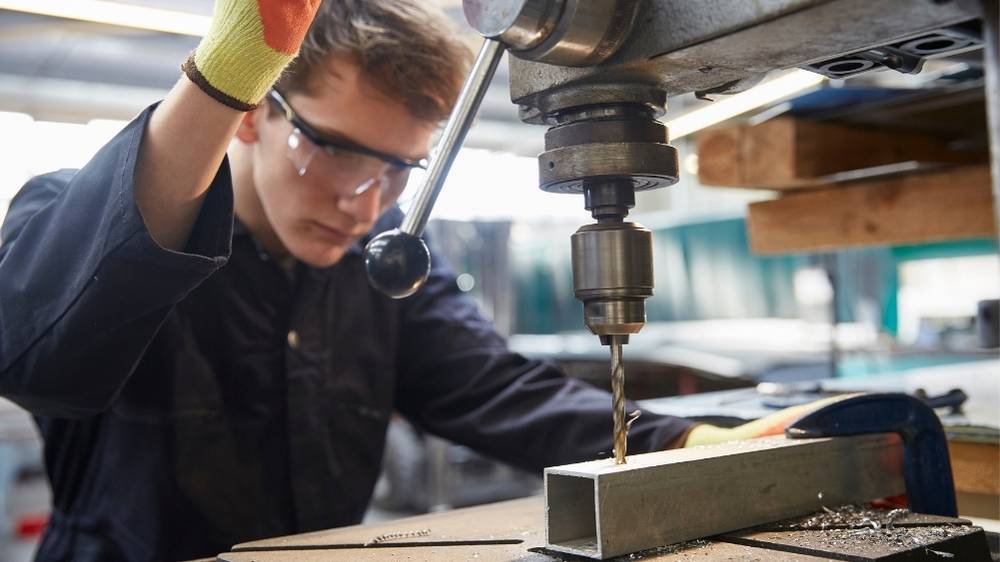
3. Cutting and Shaping
Once materials are selected, steel sections are cut and shaped according to the design.
Common fabrication methods include:
- CNC cutting
- Laser cutting
- Plasma cutting
- Saw cutting
- Press braking
- Rolling
These processes allow fabricators to produce precise and consistent components.
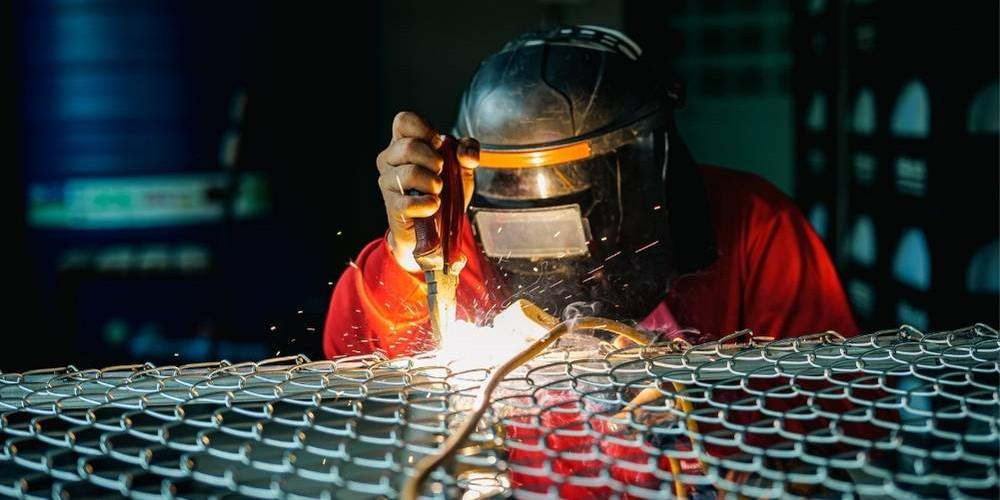
4. Welding and Assembly
Individual parts are then assembled using welding, bolting, or mechanical fastening.
Structural welding must follow recognised standards to ensure:
- Strong connections
- Consistent weld quality
- Structural stability
Proper assembly ensures fabricated components are ready for installation once they reach the construction site.
5. Surface Finishing and Protection
Before delivery, steel components may undergo finishing processes to improve durability.
Common treatments include:
- Shot blasting
- Protective coatings
- Galvanising
- Primer application
These finishes help protect steel from corrosion, weather exposure, and long-term wear.
Why Steel Fabrication Is Essential in Modern Construction
Steel fabrication offers several advantages that make it a preferred choice in construction projects.
Strength and Structural Reliability
Steel has one of the highest strength-to-weight ratios among building materials. Fabricated steel components can support heavy loads while maintaining structural stability.
Precision and Efficiency
Fabrication processes allow components to be manufactured with exact measurements, ensuring they fit perfectly during installation.
This precision reduces:
- On-site adjustments
- Construction delays
- Material waste
Faster Construction Timelines
Prefabricated steel components are produced off-site and delivered ready for installation. This significantly speeds up the building process and helps projects stay on schedule.
Design Flexibility
Steel can be fabricated into a wide variety of shapes and configurations. This flexibility allows architects and engineers to design:
- Large open spaces
- Complex structural forms
- High-rise buildings
- Industrial structures
Common Applications of Steel Fabrication
Steel fabrication is widely used across multiple sectors within the construction industry.
Typical applications include:
- Commercial buildings
- Industrial facilities
- Warehouses
- Bridges
- Mezzanine floors
- Staircases and handrails
- Structural frameworks
Because of its strength and adaptability, fabricated steel is essential for both small-scale and large infrastructure projects.
Quality and Compliance in Steel Fabrication
Construction steel must meet strict standards to ensure structural safety. Fabrication processes typically follow recognised regulations and quality controls, including:
- Approved fabrication procedures
- Qualified welding personnel
- Material traceability
- Inspection and testing
These processes ensure that fabricated components meet engineering specifications and regulatory requirements.
Conclusion
Steel fabrication is a critical part of modern construction, providing the strength, precision, and efficiency required for structural projects. By transforming raw steel into engineered components, fabrication enables builders to construct reliable structures across commercial, industrial, and infrastructure sectors.
Understanding the fundamentals of steel fabrication helps ensure construction projects are delivered with quality, safety, and long-term durability in mind.