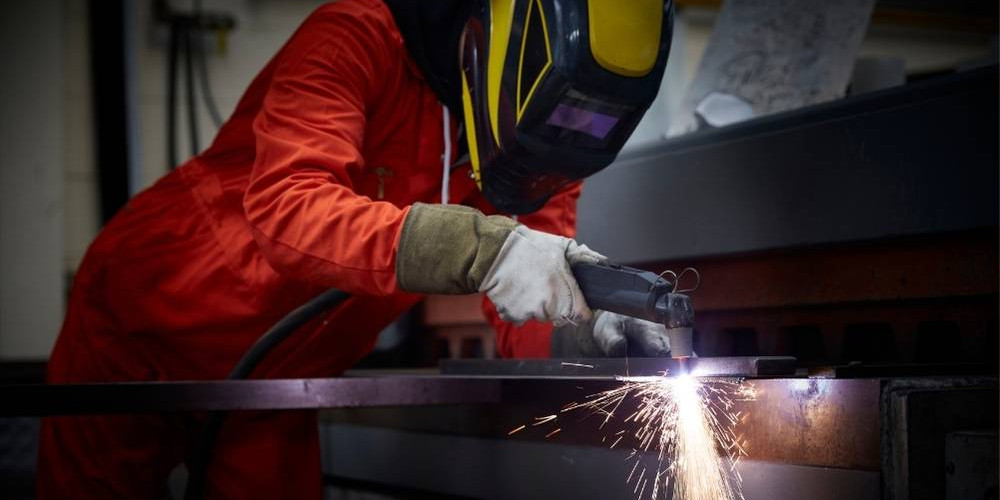
In modern construction and engineering, structural steel components must meet strict quality and safety standards. One of the most important processes ensuring this level of reliability is coded welding.
Coded welding refers to welding carried out by certified professionals who have passed recognised qualification tests according to specific industry standards. These standards confirm that the welder can produce consistent, high-quality welds suitable for structural applications.
Understanding coded welding is essential for anyone involved in steel fabrication, construction, or engineering projects where strength, safety, and compliance are critical.
What Does “Coded Welding” Mean?
Coded welding means that a welder has been tested and approved to work under a recognised welding standard or code. These codes define how welding should be performed to ensure structural integrity.
Common welding standards include:
- BS EN ISO 9606 – Welder qualification for fusion welding
- BS EN ISO 15614 – Welding procedure qualification
- BS EN 1090 – Structural steel and aluminium execution standards
- AWS codes – Widely used in international construction and fabrication
When a welder is coded, it confirms they can perform specific weld types, materials, positions, and thicknesses in accordance with these standards.
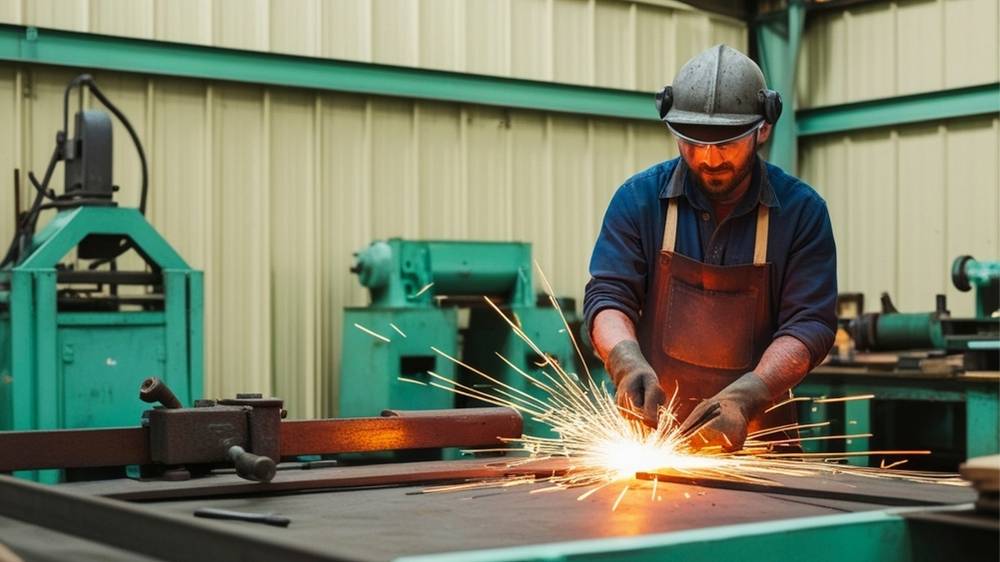
Why Coded Welding Is Essential in Structural Steel
Structural steel forms the backbone of many modern buildings and infrastructure projects. Because of this, welding quality directly affects safety, durability, and compliance.
1. Structural Integrity
Poor welding can weaken a structure and create failure points. Coded welding ensures welds are:
- Strong
- Consistent
- Capable of handling structural loads
This is especially important in load-bearing steel frameworks used in buildings, bridges, and industrial facilities.
2. Compliance With Industry Standards
Many structural projects require work to comply with national or international welding codes. Using coded welders helps ensure projects meet regulatory and engineering requirements.
This is particularly relevant for projects that must comply with:
- Building regulations
- Engineering specifications
- Fabrication standards
Without certified welding procedures, projects may fail inspections or approvals.
3. Improved Quality Control
Coded welding supports strong quality assurance practices. Certified welders follow approved welding procedures (WPS) that define:
- Welding technique
- Material preparation
- Heat input
- Joint configuration
This controlled process results in reliable, repeatable weld quality across fabrication projects.
4. Reduced Risk of Structural Failure
Welding defects such as cracks, porosity, or incomplete penetration can weaken steel structures over time.
Coded welders are trained to:
- Identify potential defects
- Use correct welding methods
- Maintain proper weld penetration and strength
This reduces the likelihood of long-term structural issues or costly repairs.
Where Coded Welding Is Commonly Required
Coded welding is widely used in industries where precision and safety are critical.
Typical applications include:
- Structural steel frameworks
- Bridges and transport infrastructure
- Industrial plants and factories
- Commercial and residential construction
- Offshore and marine structures
- Heavy engineering projects
These environments demand welds that meet strict engineering tolerances and performance requirements.
The Role of Welding Procedure Specifications (WPS)
In addition to coded welders, many structural projects require approved welding procedures.
A Welding Procedure Specification (WPS) defines how a weld must be performed, including:
- Base materials and filler metals
- Welding process (MIG, TIG, MMA, etc.)
- Pre-heat and interpass temperatures
- Welding positions and parameters
Following a WPS ensures the welding process produces consistent and structurally sound results.

Inspection and Testing in Coded Welding
To verify quality, structural welds often undergo inspection and testing such as:
- Visual inspection
- Ultrasonic testing (UT)
- Magnetic particle inspection (MPI)
- Radiographic testing (RT)
These non-destructive testing methods help confirm that welds meet the required strength and safety standards.
Benefits of Using Coded Welding in Steel Fabrication
Using coded welding in structural steel projects offers several important advantages:
- Higher safety standards in construction
- Reliable structural performance
- Compliance with engineering regulations
- Improved quality assurance
- Greater confidence for contractors and clients
Ultimately, coded welding ensures that structural steel elements perform exactly as engineers and designers intend.
Conclusion
Coded welding plays a critical role in ensuring the strength, reliability, and safety of structural steel fabrication. By following recognised welding standards and procedures, certified welders deliver consistent results that meet the demanding requirements of modern construction and engineering projects.
For any project involving structural steel, using coded welding is not just a technical requirement — it is a key factor in long-term performance, compliance, and safety.